

Is Buenos Aires Safe in 2025? What Travelers Need to Know
Most of BA’s biggest safety issues can be navigated with common sense and a little bit of street savvy.

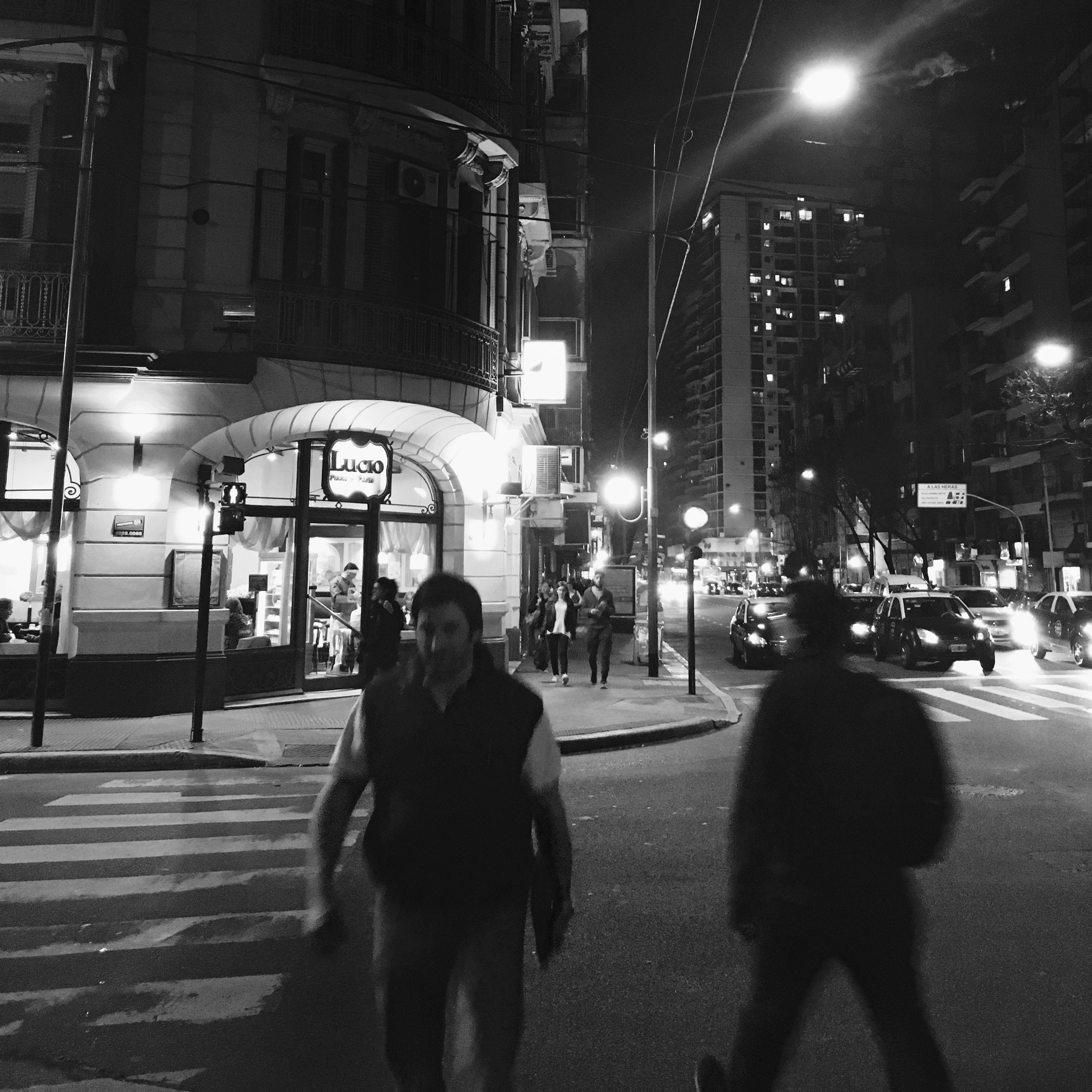
Buenos Aires balances on the edge of charm and chaos. With its leafy boulevards, all-night tango, and parrillas sizzling at midnight, it leaves an indelible mark on those who dive into its infectious way of life. But, as with many big cities, safety is often a concern and a recurring topic voiced in travel and expat forums. And fair enough, this is a bustling metropolis with all the typical urban frictions. However, most of BA’s biggest safety issues can be navigated with common sense and a little bit of street savvy.
Read on to find out the Best and Worst Neighborhoods for safety, the most common crimes, general safety behaviors, travel tips for women, public transportation and ride share safety, what to do if something happens, and useful phone numbers.
1. Best and Worst Neighborhoods for Safety
Made up of 48 barrios (neighborhoods), Buenos Aires is a mosaic of urban contrasts ranging from elegant and leafy to bohemian, upscale, and downright gritty. While most of the areas you’ll be hanging out in are perfectly fine, there’s still an off-chance you’ll unwittingly wander from a charming cobblestone block into a sketchier corner.
Safest Bets for Visitors
Palermo, Recoleta, Villa Crespo, and Belgrano top the list. These neighborhoods are well-trafficked, full of cafés, boutiques, leafy parks, and plazas, and generally feel safe day and night. You’ll see locals out walking dogs and drinking on sidewalk terraces at all hours, which is always a good sign. There are also the more residential neighborhoods, farther from the city center, such as Villa Devoto or Villa Urquiza, but they probably won’t be on your radar unless you plan an extended stay.
San Telmo offers an atmosphere in spades — cobblestones, tango, antique shops — but exercise a bit more caution, especially at night or on quiet backstreets. It's got all the charm, but also pickpockets.
Colegiales, Chacarita, and Nuñez are the burgeoning cool kids that are great during the day and calmer at night. You're safe to walk after dark, but stay alert, especially when walking alone.
Less Recommended Areas
La Boca is home to colorful Caminito and superb fútbol culture at Boca Juniors’ La Bombonera stadium. That said, wander too far from the tourist trail and things shift fast. Visit during the day, keep to the main paths, and avoid lingering after sundown.
You should also only venture into the Constitución or Retiro bus terminal area at night if it’s an absolute must. Both can feel a bit too sketchy for even the most seasoned traveler. If you do have a bus or train scheduled to arrive late in the evening, consider arranging your onward travel in advance.
2. Most Common Crimes
Motochorros
Directly translated as motorbike thieves, these are the headline act of BA’s petty crime scene. They are unruly street pests specializing in quick-grab thefts, snatching phones or bags from pedestrians as they zoom past. They usually operate as a pair and strike on quieter streets or when someone’s distracted, for example, texting at a corner café or lingering near a curb. The golden rule? Keep your phone out of sight near the street, and always stay aware of your surroundings when walking.
Pickpockets
They lurk everywhere, all around the world, and there’s a fair share of nimble fingers here, too. They typically operate in crowded areas – think San Telmo Market on a Sunday afternoon, the Subte during rush hour, and packed buses. Do yourself a favor by keeping your valuable items in your front pockets or backpack.
Bag-snatching
Acting in a similar smash-and-grab way to motochorros, but on foot, bag-snatchers often prey on unsuspecting café-goers and park-dwellers. Many cafés and restaurants have security hooks on tables, so stay ahead of the game and use them.
3. General Safety Behaviors
A golden rule of living and visiting Buenos Aires is that being observant brings hassle-free experiences. Trust your gut – if a situation feels off or a street seems too quiet, it probably is. Take a moment to gather your bearings and head in a different direction. Phones are the number one target, with the latest models treated like gold dust here. We aren’t saying you shouldn’t use yours in public to snap a photo or check a map, just that you should be cautious of who’s around you..
In terms of money, carry only what you need for the day. Almost everywhere accepts cards and digital payments. And since September 2024, it’s been mandatory for shop workers and waiters to bring a payment terminal to you – no more handing your card over and seeing it disappear for several minutes. Huge bundles of cash aren’t necessary either – just have some bills for smaller neighborhood shops, taxi rides, and tipping. If you need to withdraw from an ATM, use the ones located inside banks and shopping centers. Street-facing machines are more susceptible to tampering and scrutiny.
There was once a time in Argentina when making card payments without showing your passport felt like trying to buy steak with Monopoly money. If you didn’t have it on you (or a local DNI), you’d get a side-eye and a potential refusal – not even a driver’s licence was good enough. Contactless card and digital wallet payments have alleviated this, meaning you no longer need to carry your passport around. Instead, keep it safely stowed away with other valuable items at your accommodation.
Pro tip: Leave the expensive wristwatch at home. There are active thieves scouting tourists around the fancy hotels of Recoleta or Puerto Madero, looking for anyone who might have a Rolex, etc.
4. Travel Tips for Women
Arguably, one of the biggest adjustments for female visitors is the piropo (catcall) culture. These macho compliments are generally whispered to women by passing men or resonate from construction sites. If you have blond hair, there might be a higher chance of experiencing this. Think everything from a simple “!Que piernas!" (What legs!) to a more poetic “Quisiera ser aviador, para volar en tus sueños.” (I’d like to be a pilot to fly in your dreams). Once a minefield for women, it’s become less aggressive in recent years and is now more eye-rolling than threatening. The best strategy is to ignore and keep walking, and allow yourself a smile if the quip is particularly flattering.
When it comes to clothes and blending in, porteñas are a stylish and varied bunch. They have the potential to wear everything from floaty dresses or athleisure gear to full glam on a mundane Tuesday morning. As such, you won’t stand out unless you’re carrying a backpack while sporting a wide-brimmed hat and clutching a guidebook for dear life. Even then, you’ll just look like one of thousands of tourists.
5. Public Transportation vs Rideshare vs Taxi Safety
With colectivos (buses), trains, and the Subte (subway), rideshare apps, and classic radio taxis operating round-the-clock, navigating Buenos Aires can feel like a choose-your-own-adventure story. Most options are safe as long as you are aware of what to expect.
Public transportation: Whether you’re riding the D line on a Wednesday afternoon or catching the 152 along Avenida Santa Fe after a night out, the city’s public transport network is generally a safe place to be. As mentioned above, the biggest hindrance is pickpockets – keep a close eye on your belongings and avoid nodding off.
Rideshare apps: Both Cabify and Uber have a good reputation in the city for offering affordable trips. As fees are expressed upfront, it eliminates any fear of being overcharged. It’s also easier to contact the driver should you forget something at the end of your ride. Some taxi drivers are using rideshare apps now, so don’t be surprised if a black and yellow city cab picks you up.
Taxi: While most are fine, there’s always one driver happy to take advantage of a newbie flagging them down on the street. Be wary of the ‘fake bill’ switcheroo scam and avoid taking street-hailed cabs outside the major transport terminals.
6. What to Do if Something Happens
Victims of theft or other crimes should report them to the nearest comisaría (police station) or the Tourist Police, who are trained in dealing with foreigners and can assist in English, French, Italian, Japanese, and Portuguese. You’ll need a denuncia (report) for any insurance claims. The main Tourist Police Station is at Avenida Corrientes 436, just off the Obelisco.
Useful phone numbers
Tourist Police: 0800 999 5000
General emergencies: 911
Police: 101
Fire service: 100
Medical emergencies: 107
Domestic and gender-based violence: 144
United States Embassy: +54 11 5777 4533
Canadian Embassy: +54 11 4808 1000
British Embassy: +54 11 4808 2200
Irish Embassy: +54 11 4808 5700
Australian Embassy: +54 11 4779 3500
New Zealand Embassy: +54 11 5070 6700
South African Embassy: +54 11 4317 2900