


September 21st has come and gone, with boyfriends and husbands across the city facing their partners’ wrath for neglecting to bring flowers home for the 15th consecutive year. It’s a transition tradition I only learned about after moving here, along with the annual reminder that Día de la Primavera is apparently a serious matter.
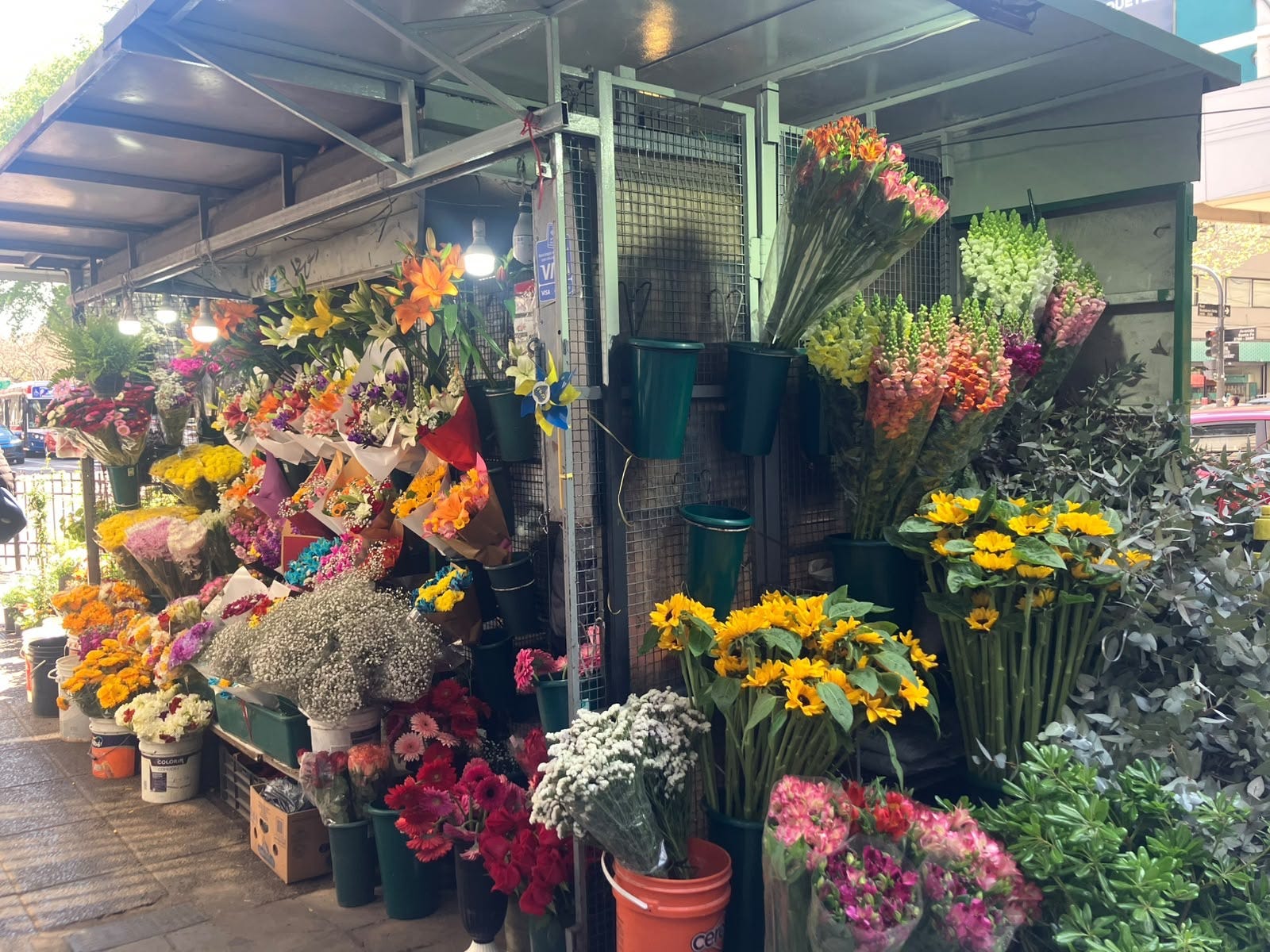
But the giving of flowers is just the start. Spring transforms Buenos Aires, from streets and avenues exploding with colour to packed pavement cafés, cultural events and concerts. Parks also fill to bursting point with locals who have been waiting all autumn and winter to strip off their puffer jacket and scarf and get outside.
There are downsides, of course. Allergy sufferers must take cover from swirling pollen, wallets can take unexpected hits, and there’s a danger of feasting your way through the season. So, is spring really the best time of year to be in the city?
A City in Bloom
Ask a local when Buenos Aires is at its most attractive and most will tell you it’s now. The city basically gets redecorated for free. In fact the canopy shifts colours more times than a porteña changes plans for a first date. First come the lapachos, their late-winter bloom bringing vivid pink hues while other trees around them stay bare. The Lapacho de Ezcurra on Avenida Figueroa Alcorta is iconic.
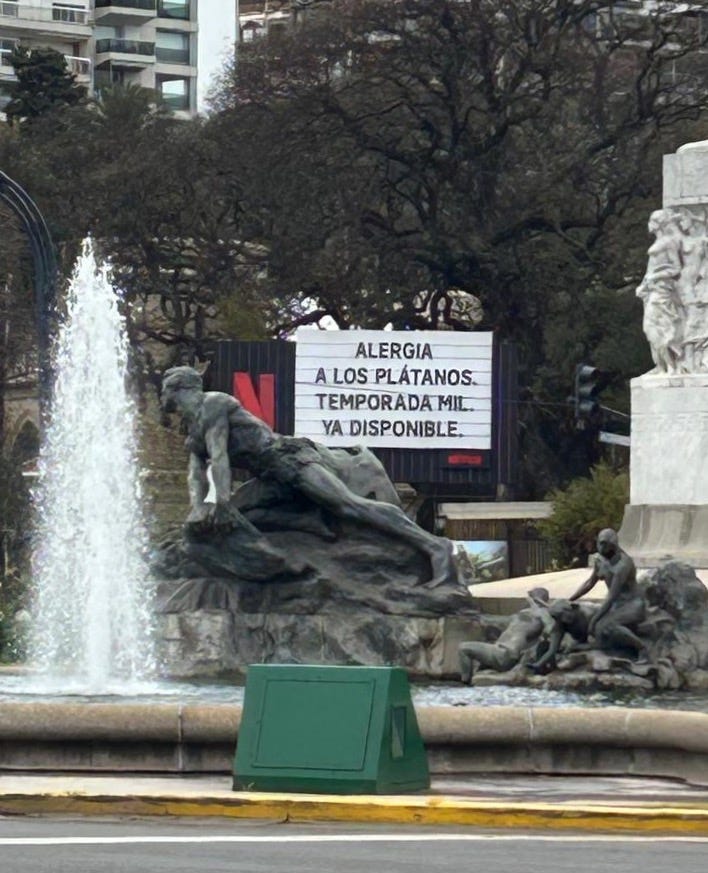
But then comes the early- to mid-spring attack of the plátanos, the Chile of trees to allergic Argentines. While they look impressive, they are merciless, releasing clouds of itch- and sneeze-inducing pollen into the air. Luckily, the pollen season is a short 20-40 days, and there’s a plátano map to help plan your routes. The annual disdain for President Sarmiento, who ordered them planted, is therefore typically short-lived.
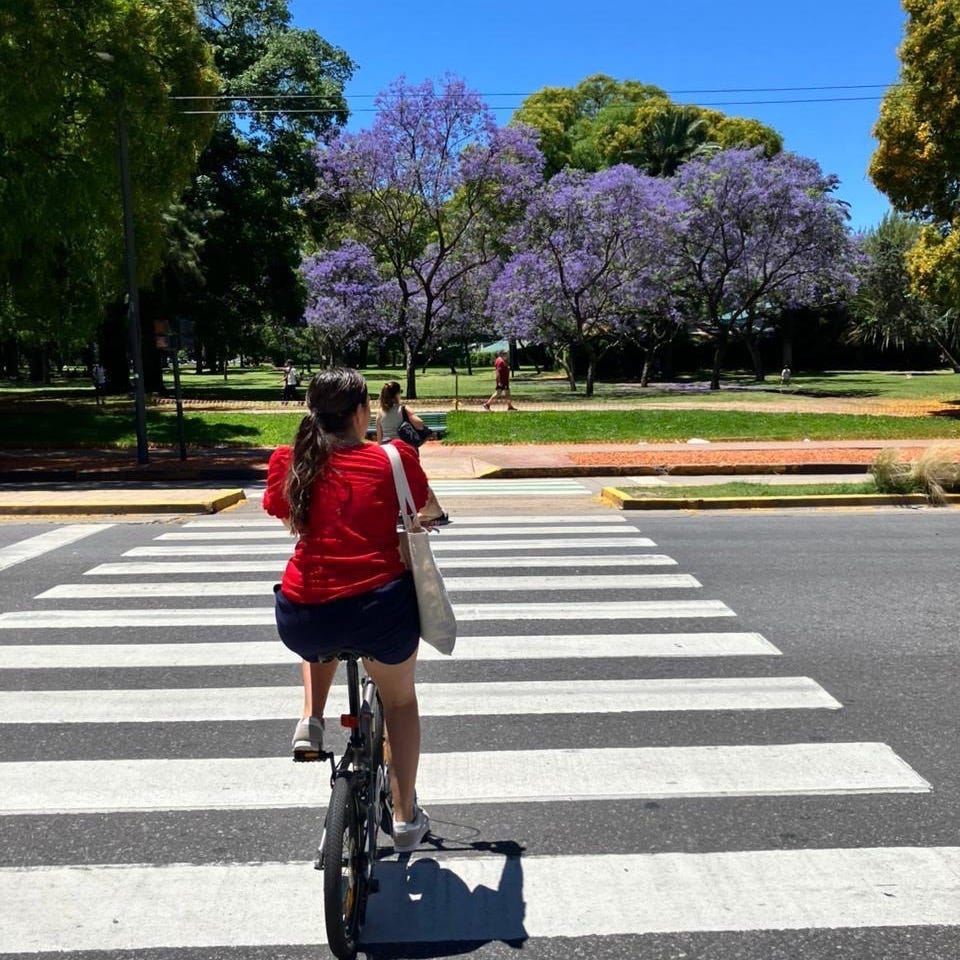
In November, thousands of jacarandás turn the streets lilac and purple, with fallen leaves creating magical pavement carpets. This is when the city really starts showing off. Palermo, Recoleta and Retiro are top places to see them, especially Avenida del Libertador. Then, as spring turns to summer, the taipas bring their yellow bloom. Check them out along Avenida Pedro Goyena (Caballito) and Calle Melián (Belgrano R).
Outdoor Dining Returns
After chilly mornings and brisk walks between heated interiors, spring sees porteños return to the pavements. It’s when patios, terraces and rooftops come back into their element. With the sun out and sunglasses on, chairs are positioned towards the sun and locals lean back with a coffee in hand like lizards warming up on a rock.
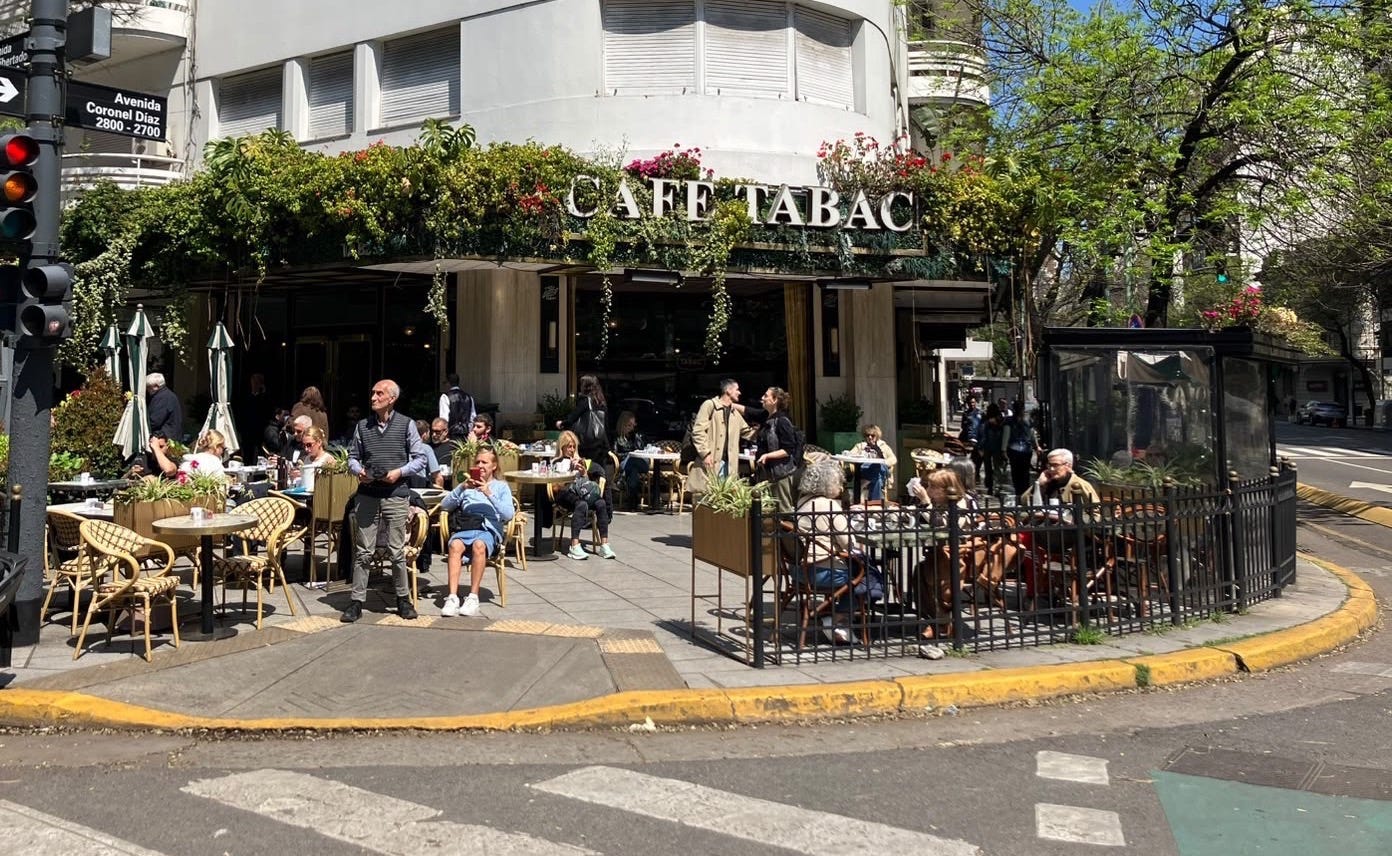
You don’t always need a plan, either. It’s more about spontaneity and letting the city do its work — simply pick a table and watch life go by. Friends stop to chat, dog-walkers wander past, business meetings take place, and someone at a nearby table is inevitably debating last night’s football match or latest national scandal. Few seem concerned that the coffee has taken 20 minutes to arrive.
The downside? You say it’s just a coffee; one friend arrives, then another, and suddenly you’ve acquired a quorum. You order a tostado especial because you skipped lunch. A beer lands at happy hour, followed by another because, well, you’re here already. By the time you do leave, you’ve spent three times more than intended, missed your first dental checkup in five years and are now moving on to a wine bar.
Culture Hits Hard
The city’s cultural calendar goes into overdrive, with events exploring aspects of the city you’ve never heard of or frequently walk past without giving second thought. Open House Buenos Aires is a prime example. Over one weekend, more than 200 activities incorporate city buildings and spaces through guided tours and biking circuits. Some are drop-in events, while others require registration.
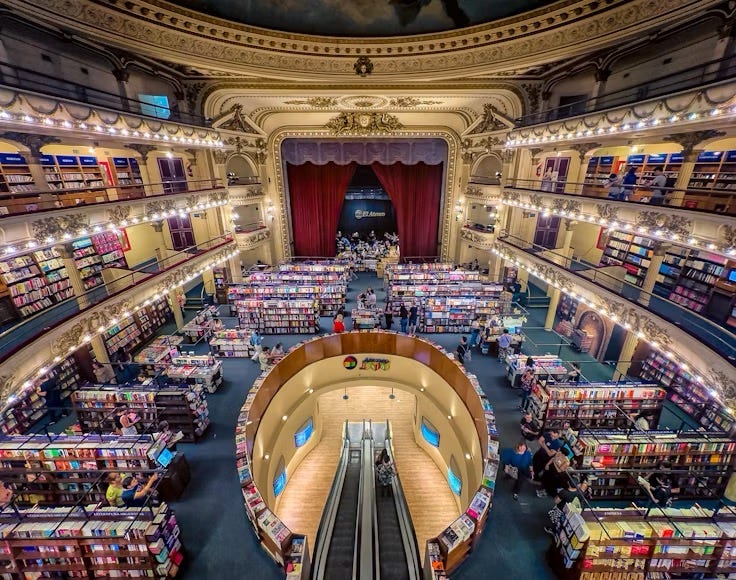
A literary theme runs through the season. In late October the Feria del Libro Antiguo brings antique books and rare editions to Palacio Libertad. Then, La Noche de las Librerías turns Avenida Corrientes into a bookworm’s playground. Before this, you have La Noche de los Museos to squeeze in, although the smart people know to skip the endless queues and come on a standard day.
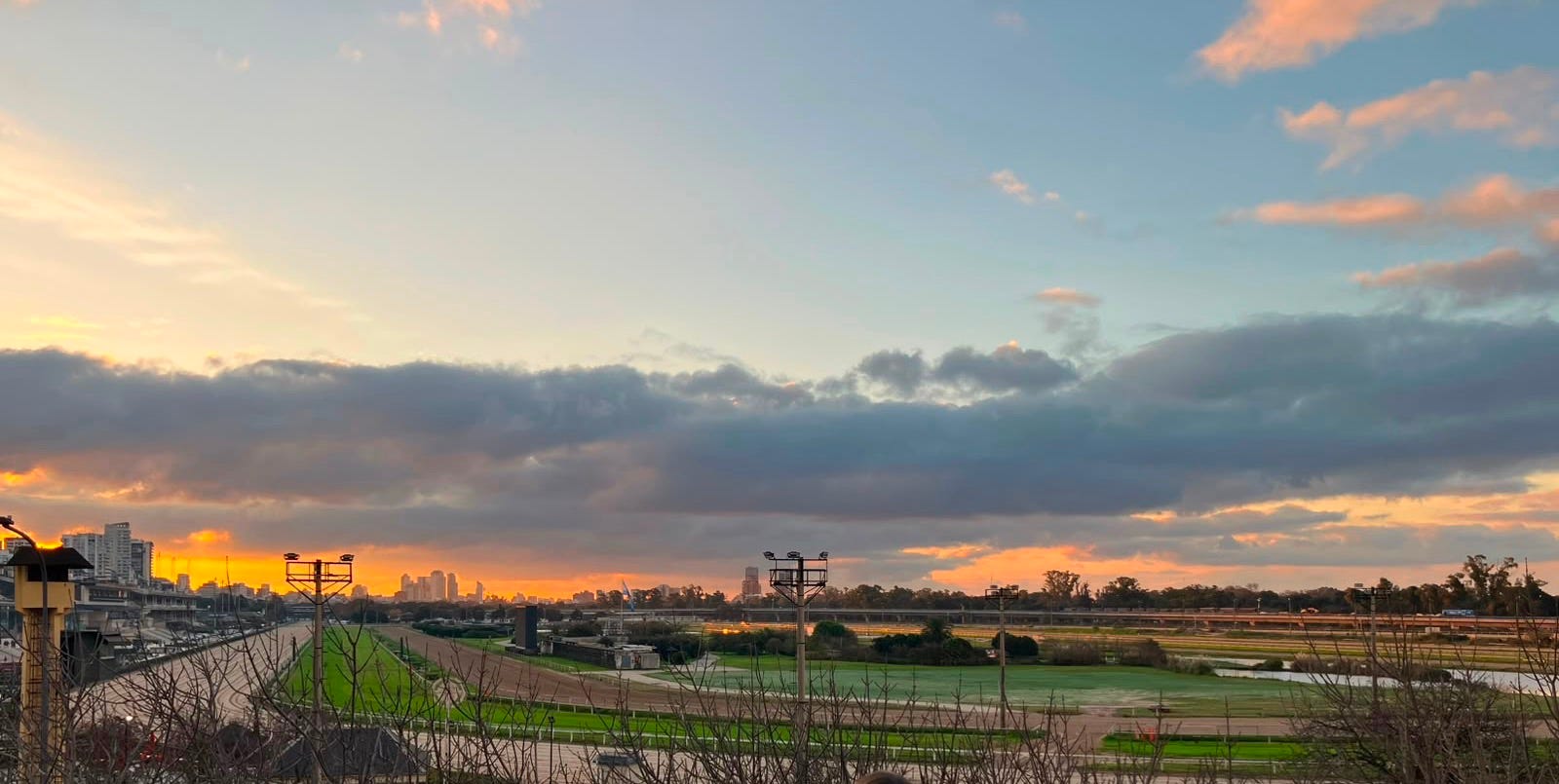
If your only previous visit to the city racetrack, Hipódromo Argentino de Palermo, was for a burger or beer festival, this is your chance to see it in its true glory. November welcomes the Gran Premio Nacional, the nation’s most prestiges race with horses, riders and owners also comporting for the Triple Corona del Turf Argentino.
Before long you’ll have walked 15kms, picked up a dusty 70-year-old tome you didn’t want and developed strong opinions on champion three-year-old colts.
Concerts Reach the Right Notes
I don’t know if it’s the good weather, artists looking to fill end-of-year dates after their summer tours, or that ticket prices have reutrned to European and North American levels, but this time of year always seems to pick up on the music front.
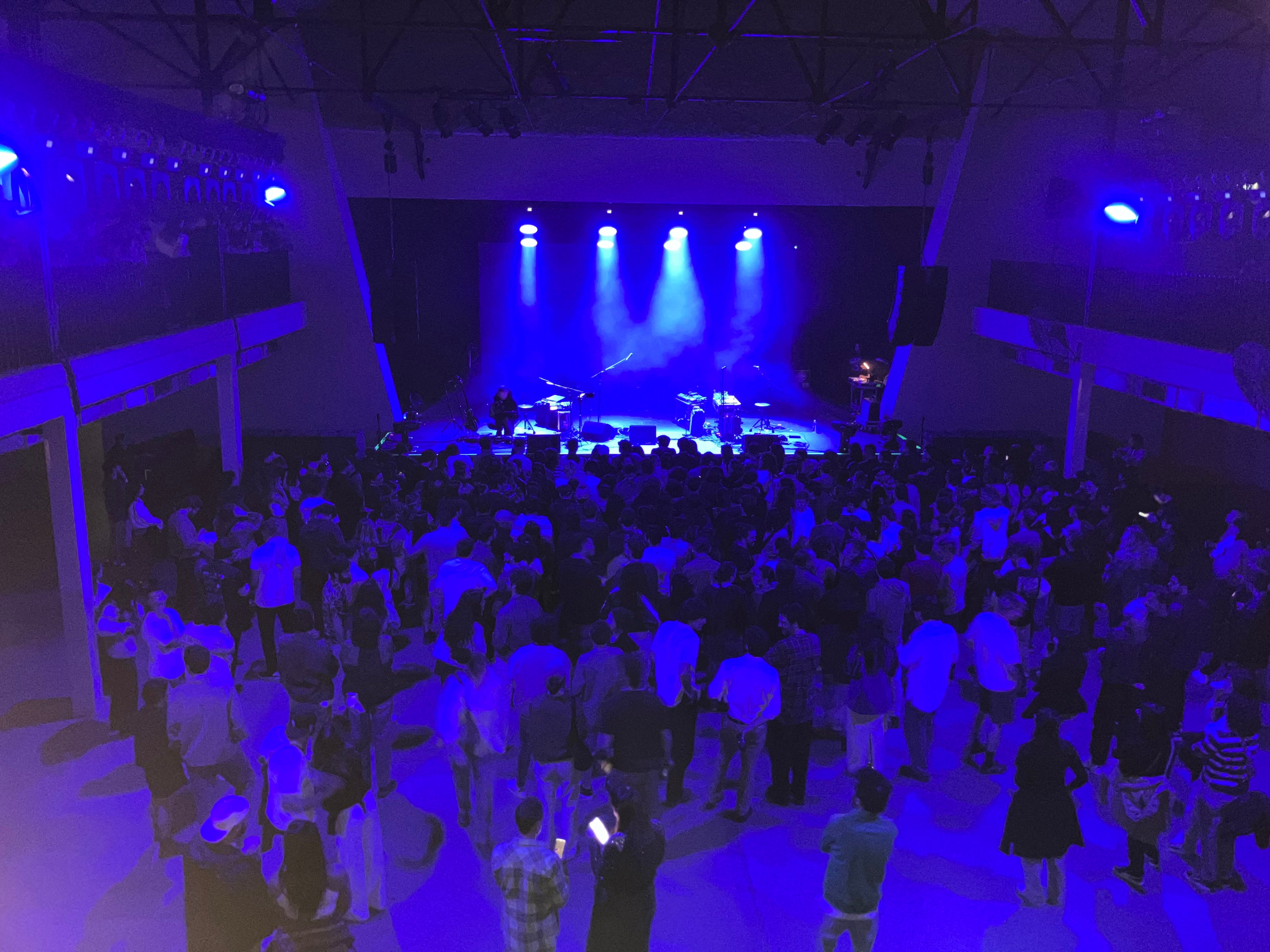
Movistar Arena remains the city’s top music venue, with everyone from Die Toten Hosen to Def Leppard, Ronnie Wood and ZZ Top on the horizon. Meanwhile, C Art Media will welcome back Jorja Smith. Looking for some nostalgic ’80s synthpop and ’90s electronic beats? Mandarine Park on the Costanera Norte is the place to be in late November and early December, with Underworld and New Order headlining.
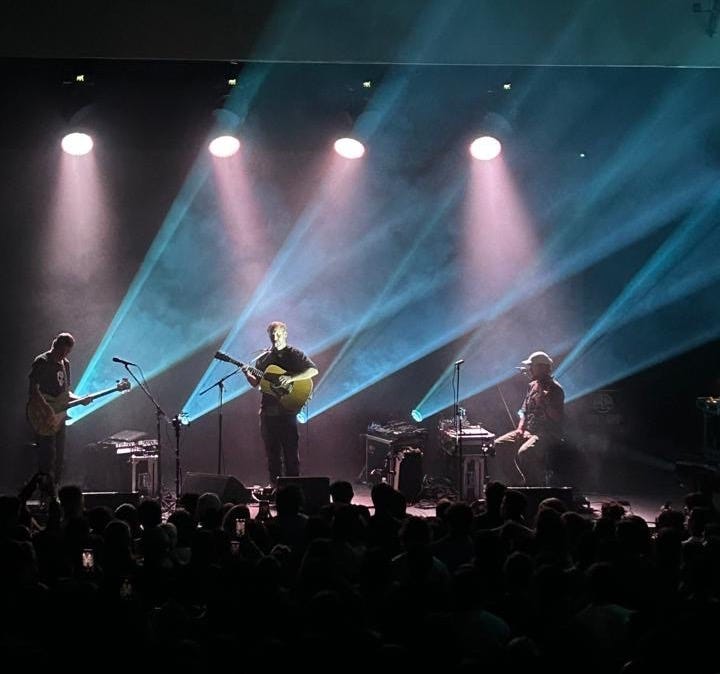
Besides autumn’s Lollapalooza, spring brings the city’s best international festivals. Creamfields takes over Parque de la Ciudad for its 18th edition, while Primavera Sound returns to Tecnópolis after a three-year hiatus, this time with Gorillaz and The Strokes headlining.
It’s all music to the ears, but you might find that your definition of “I’m going to see a couple of bands” costs several hundred dollars and leaves you with a serious sleep deficit. You can always find free and low-cost gigs at legendary local venues.
Park Life Returns with Vengeance
Buenos Aires’ parks go from calm spaces to full-blown social clubs almost overnight. Locals have all but removed their six-months-a-year Uniqlo outerwear, regained the ability to walk without resembling an inflated penguin and remembered that sitting on grass is a legitimate way to while away an afternoon. Miga sandwich-laden picnic blankets, bikes and roller skates are out, there are enough thermoses on display to supply an army, and there’s usually a café, choripán stand or ice cream vendor nearby.
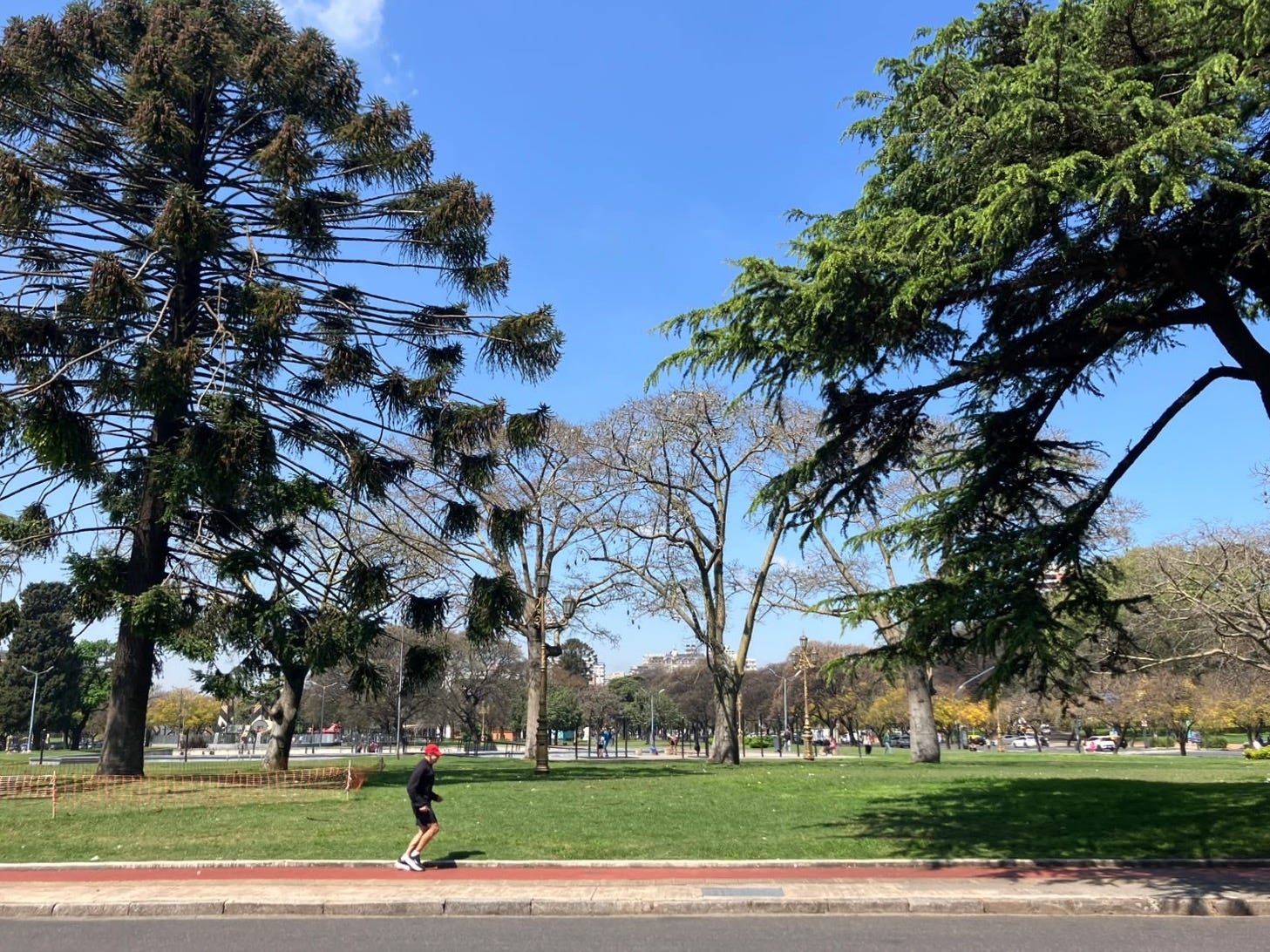
Hitting the parks is an enjoyable free activity anywhere. But for hardened, year-round users, the influx can catch you off guard. Lone runs become obstacle courses with the new season, new me wannabe marathon squad. Families walking five abreast along bike lanes leave you to carve out your own right of way. And overpriced organic markets overflow paths with recycled tote-bag-totting hipsters. It’s enough to make you long for the “el frio que hace por dios” sub 18°C winter that keeps most at home.
The Bottom Line
So, is spring really the best season in Buenos Aires? Probably. The city looks better, feels more alive and suddenly gives you far fewer excuses to stay indoors. Just remember: those flowers that make it look so good are also the flowers your partner expects you to bring home when the season officially arrives.
was able to get into constanera sur at the end of our trip, it was closed at the beginning, spring is coming ! https://thereallloydwilliams.substack.com/p/ba-from-ba?r=86m7vj