


I’ve come to appreciate a lot of Argentine food since arriving in Buenos Aires; I've developed an emotional attachment to a specific empanada shop. I’ve stopped second-guessing whether a bondiola or lomito sandwich at a costanera food stand will sit well in the stomach. And I’d even rank the Colfer Block alongside René Favaloro’s coronary bypass surgery machine among the great Argentine inventions.
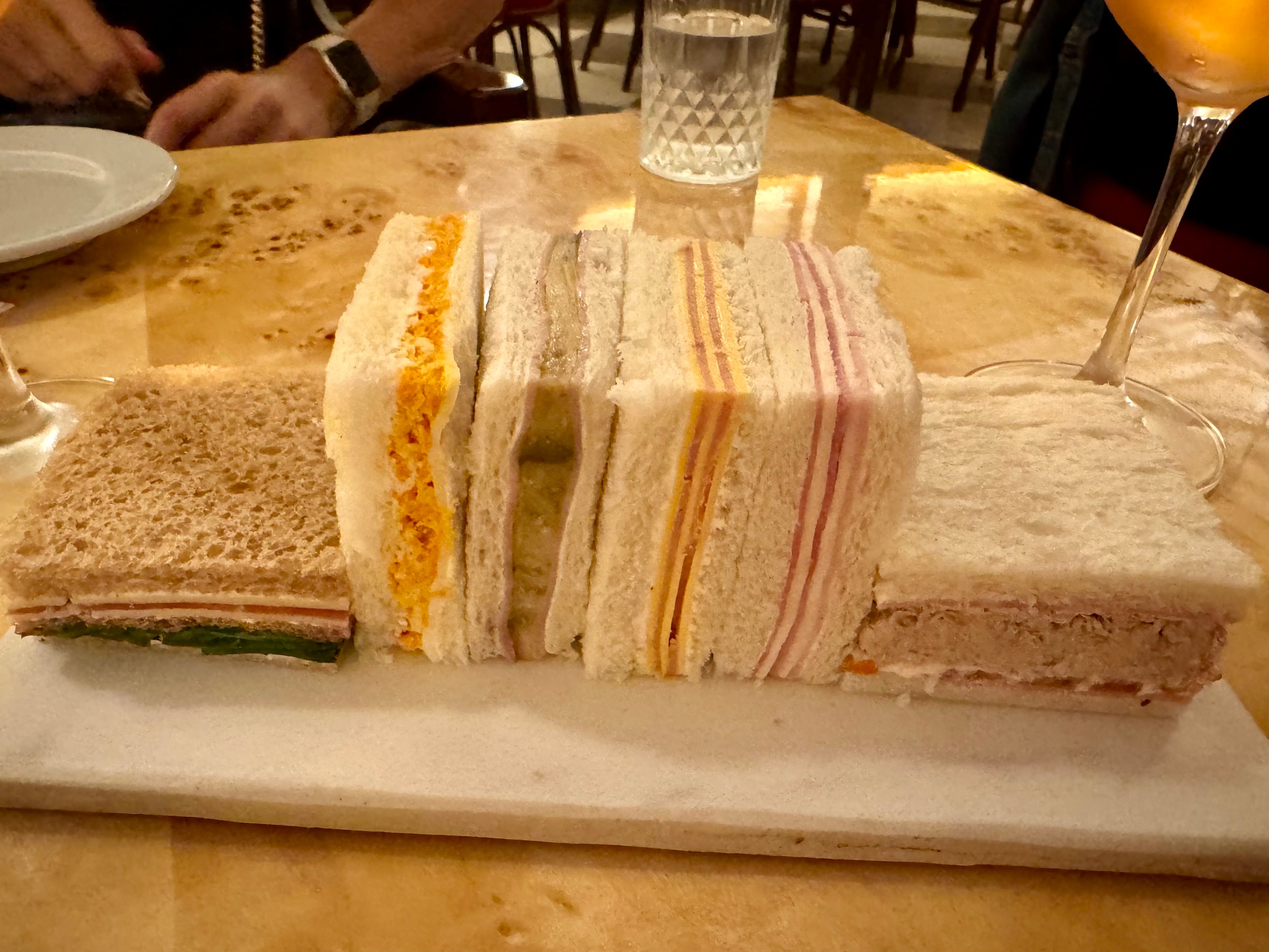
The sándwich de miga, however, is a different story. Mention it to a porteño and their face lights up. “Ayyyy pero que rrrrriiiiicoooo” they’ll scream with an “r” rolling longer than a General Paz traffic jam. Meanwhile, I’m staring vacantly at crustless white bread with a slice of ham so thin you could slide it between the pages of a book.
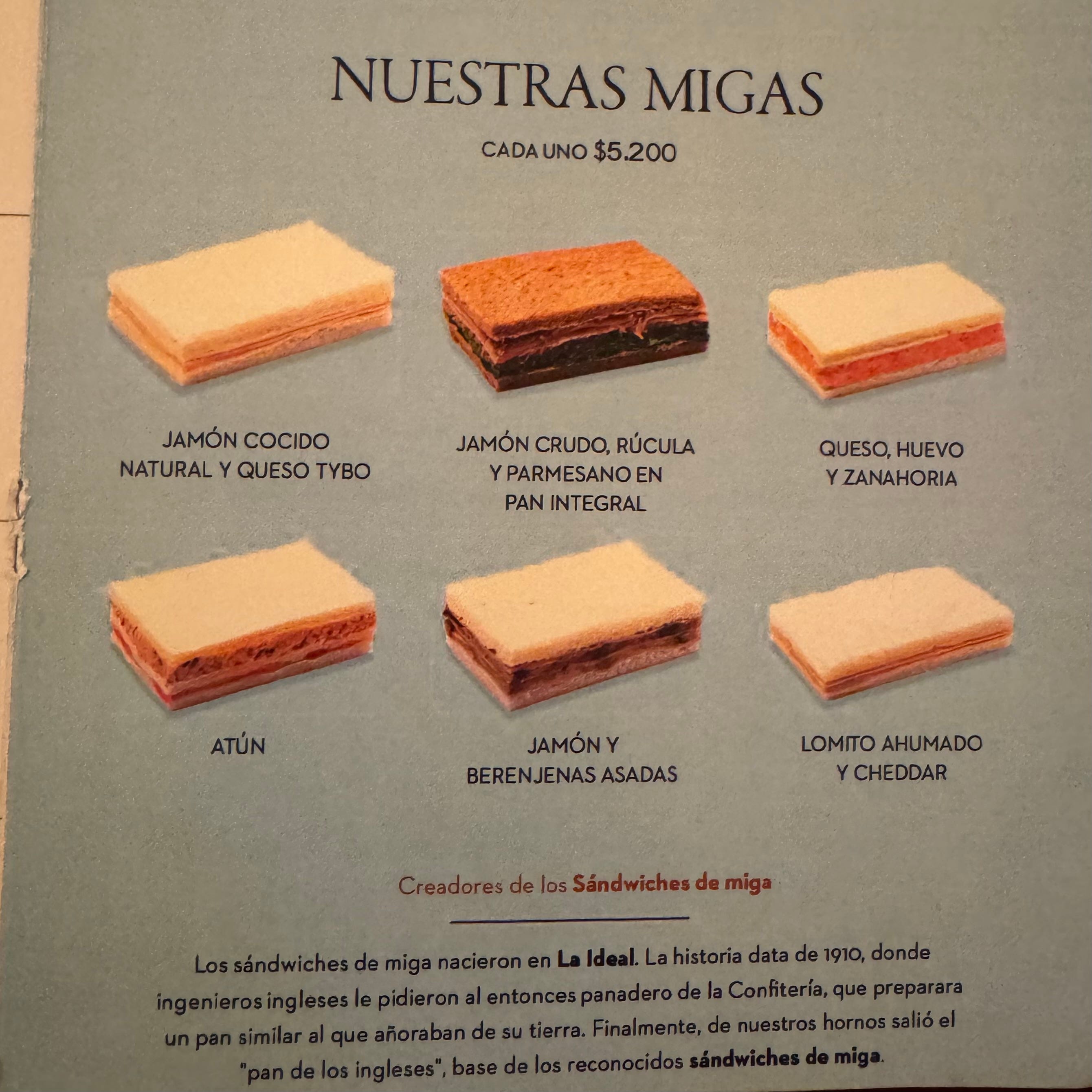
The Miga Story
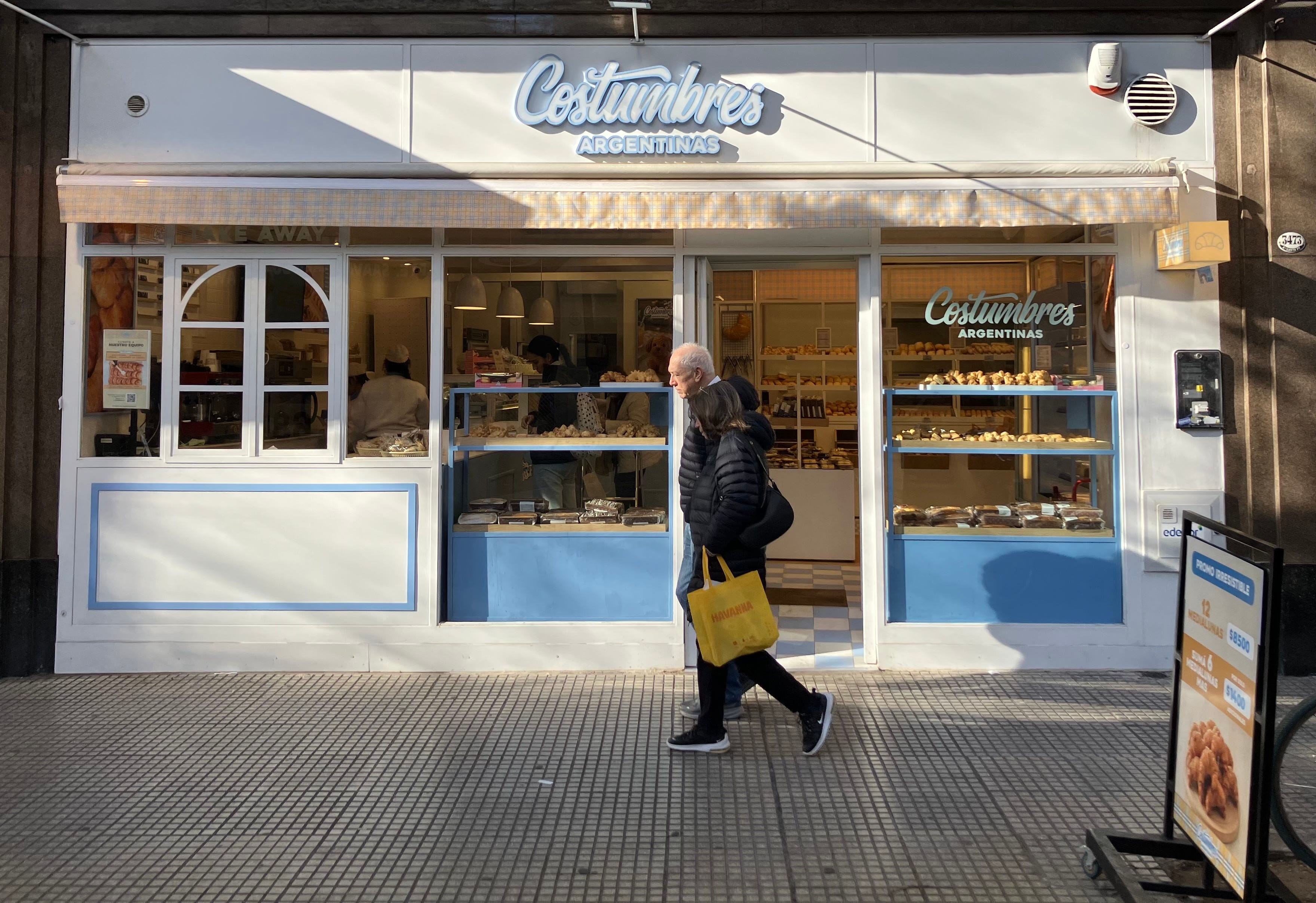
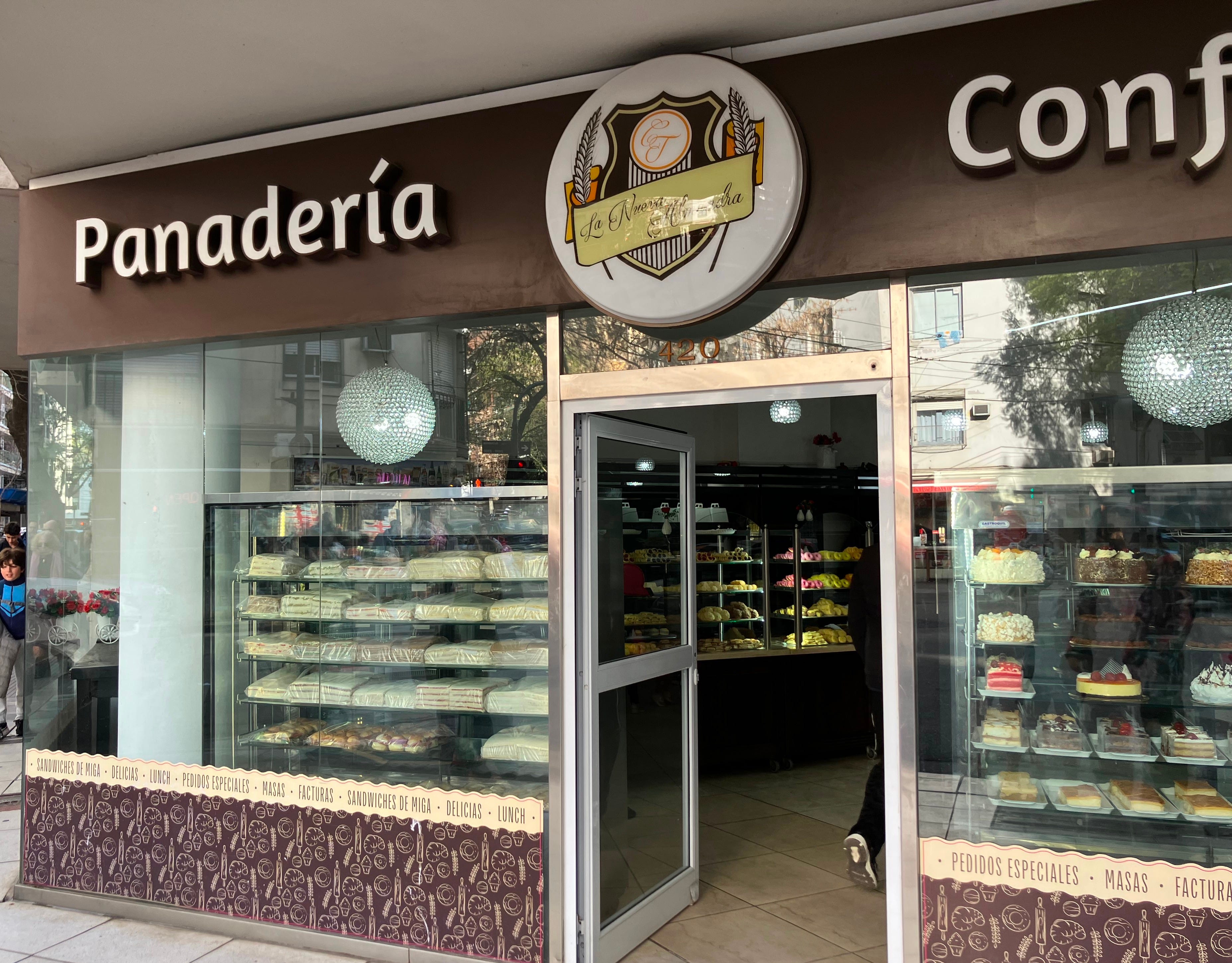
As a natural British cynic, I take pleasure in pointing out cultural inconsistencies to friends and family. Take the city bakery Costumbres Argentinas. With such a patriotic name you’d expect it to be full of locally invented items. But walk in and you’ll find croissants, pan francés and other baked goods with decidedly European passports. Our beloved and misunderstood miga fits perfectly into this category.
Argentines champion the crustless wonder, with its thin layer of butter and minimalist fillings, as one of their own. But the story goes back across the Atlantic. Its ancestor is the Italian tramezzino, invented at Caffè Mulassano in Turin in 1925. It was an ambitious, hearty and triangular-shaped number with around 40 varieties featuring fillings like artichokes, shrimp and smoked salmon. Many consider it Italy’s answer to sophisticated English high tea sandwiches.
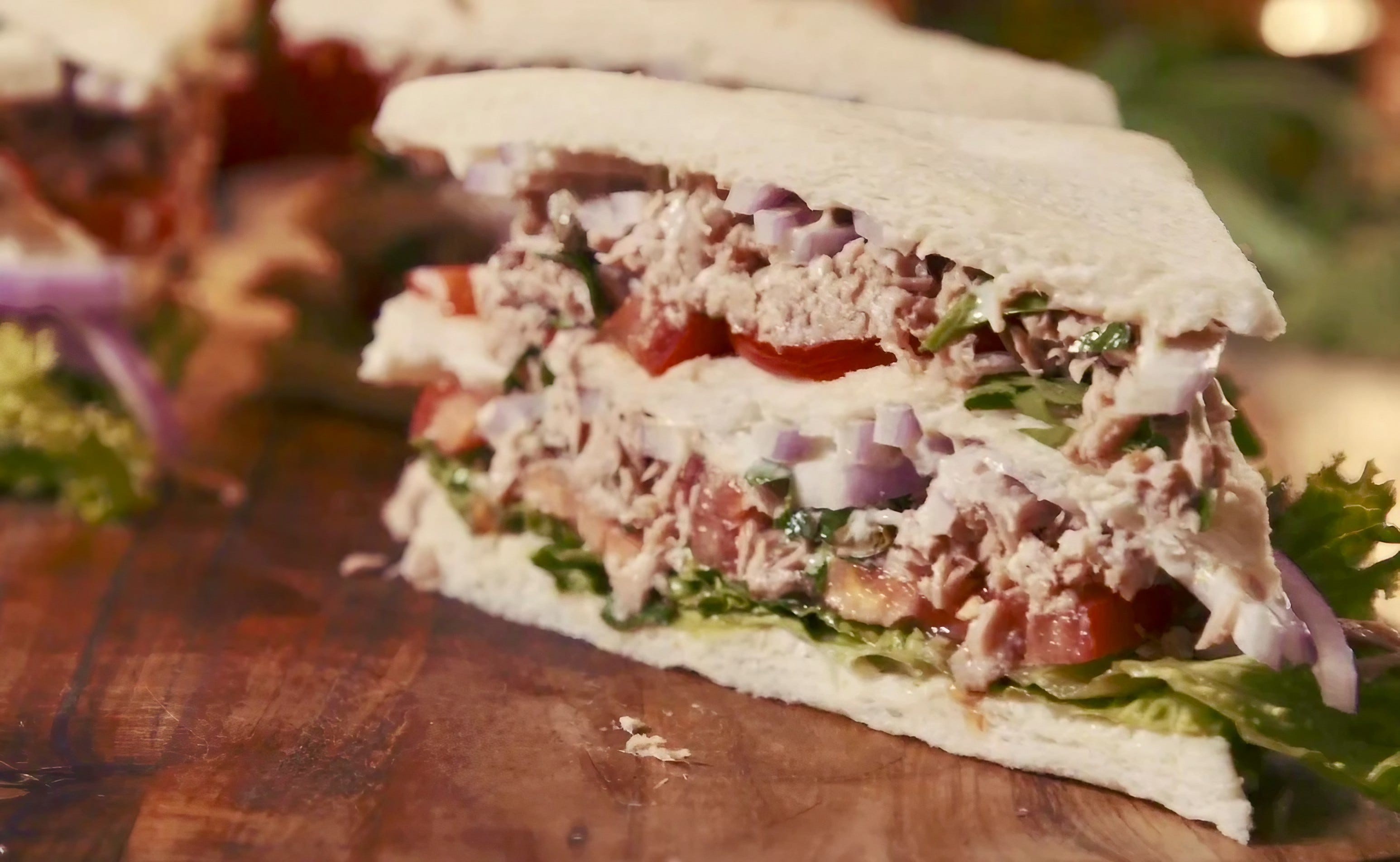

Not long after, Italian immigrants brought their delicacy to Argentina, where it was well and truly humbled. Salmon became ham, shrimp became egg and artichoke became, well, more ham. Somewhere over the next century, it turned into a national icon, inundating bakeries, supermarket shelves, birthday parties and nationwide gatherings. Needless to say, these two- or three-slice affairs are still as prevalent as bus drivers running red lights along Avenida Las Heras.
So maybe it’s a local invention after all. Not because Argentina created it, but because Argentines adopted it as their own and became disturbingly opinionated and passionate about defending it.
The Outside View
From the outside, or my outside, the miga looks like something your friend’s mother would’ve packed in a lunchbox after cutting the crusts off and writing their name on the bag. In a British household, this atrocity is reserved for preschoolers only. Afterwards, the crust stays firm as part of the deal.
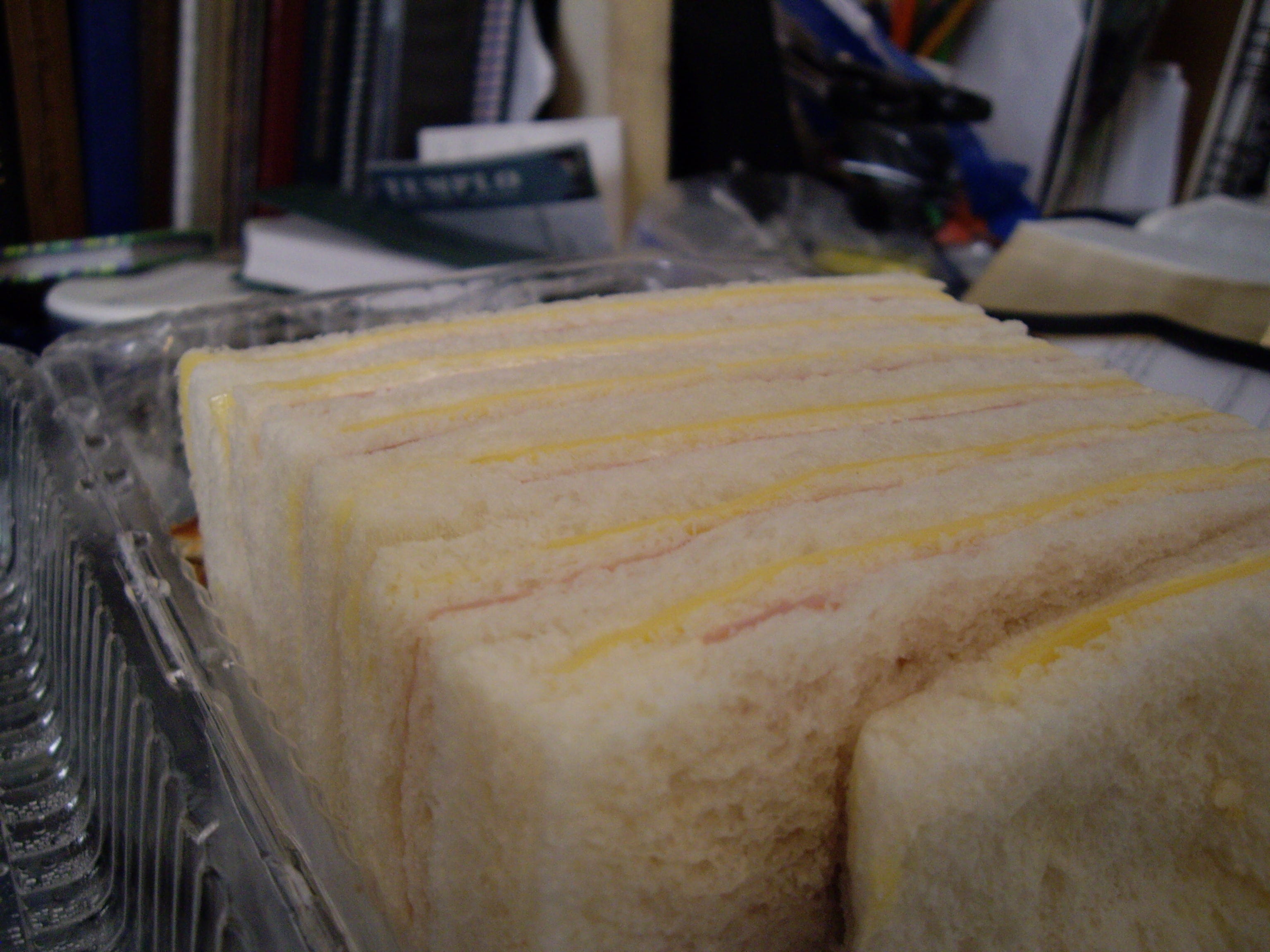

Then there’s the bread: soft, pale and flimsy. It has the structural integrity of a wet tissue, flapping like the hand of a diehard fútbol fan at the stadium. This makes up 90% of the sandwich. The rest is best described as barely-there. It’s akin to searching for salmon amid the cream cheese of Sushi Pop’s California rolls. And when presented on a plate or in a one-use plastic tray, it just sits there looking sorry for itself.
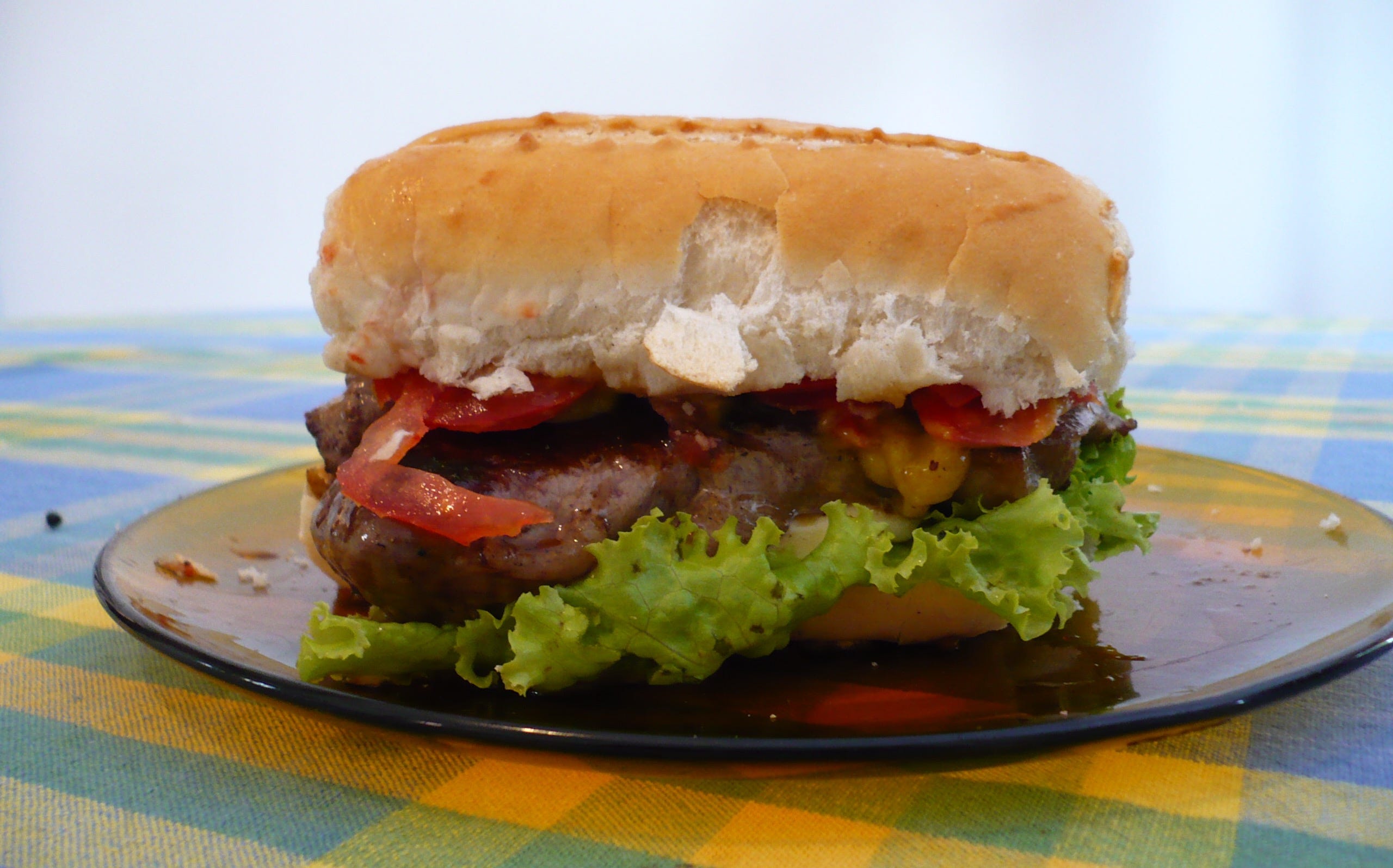

Compare this with other Argentine sandwiches, the choripán and lomito. These are stand-up, sturdy sandwiches you’d happily take into battle. They have presence. They have heft. You pick one up and know you’re about to enjoy something substantial. This is surely what John Montagu, the 4th Earl of Sandwich, had in mind when requesting meat between two pieces of bread back in 1762. I can’t imagine he was expecting something resembling a toddler’s party canapé.
The Inside View
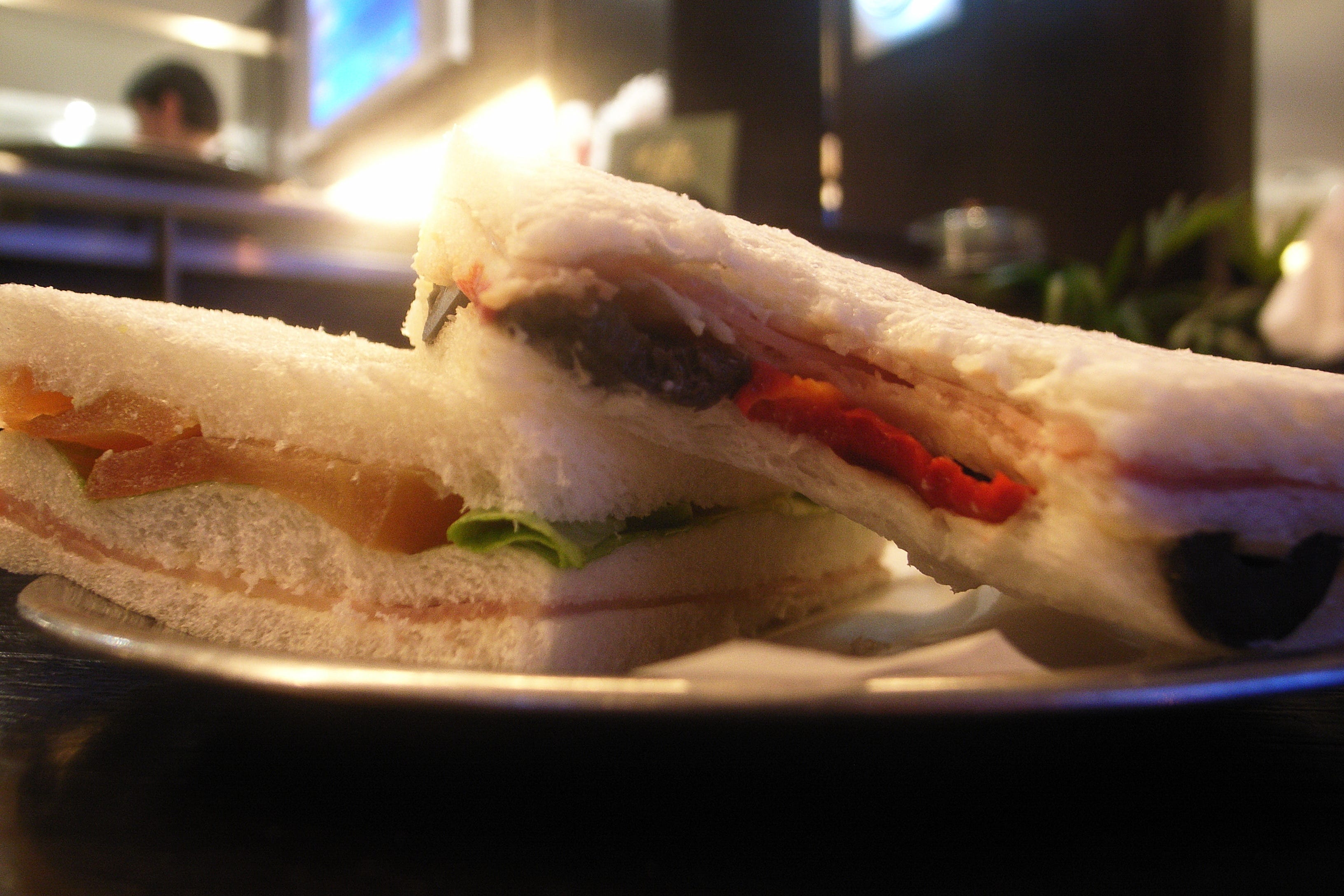
Why the love-in then? The fillings? Salami and cheese, ham and egg, cheese and tomato, palmitos con salsa golf (palm hearts with a ketchup and mayo mix, which they also claim). Or, is it more the gratifying ritual of dumping a huge tray of spongy white squares on a table? They’re birthday-party food, family-gathering food, office-meeting food, even grown adults-playing-Tutti Frutti-food. The sort of thing that arrives as a side note but becomes the focal point.

Here, the miga is much more than lunch or a snack. You’re talking about being eight years old, surrounded by relatives and paper plates. “Que rico el sandwich de miga por favor” they proclaim again, waving one aloft with more pride than Belgrano hoisting the national flag for the first time in 1812. There’s another possibility, though. Argentines possess an intrinsic need to prove their Argentineness by enthusiastically loving things that, to an outsider, seem difficult to defend.
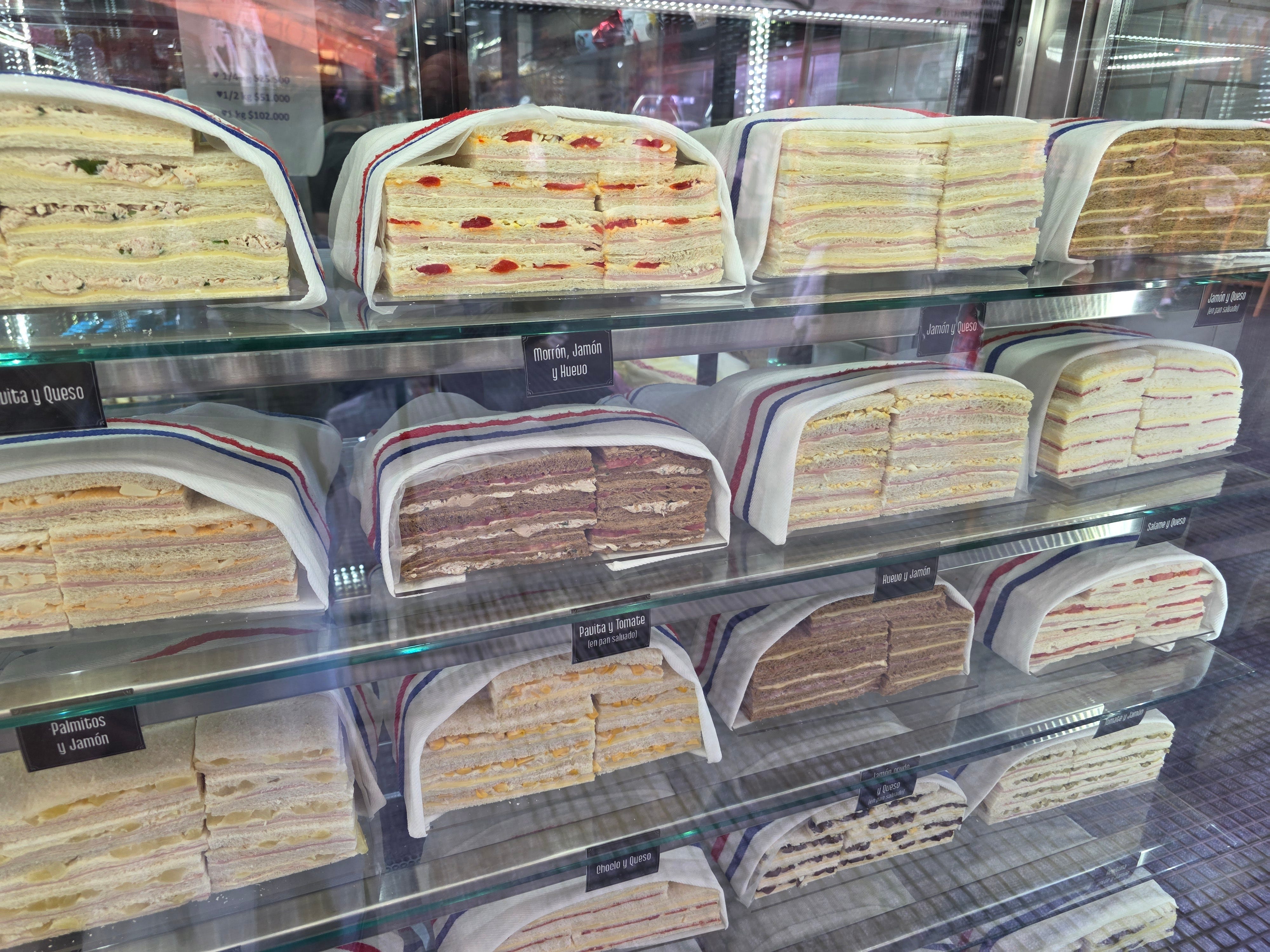

It’s similar to chocotorta, a pile of biscuits, dulce de leche and cream cheese that looks like a five-year-old was given dessert duties. And mate, the ultimate identity expression of drinking a hot, grassy drink through a metal straw that’s been in the mouths of half a dozen strangers. Admitting you don’t like either is an act of treason. Same goes for the miga. Maybe they do love it. Or perhaps they are terrified that not joining in the fanfare will see their Argentine passport revoked.
The Miga Renaissance
So could there be hope? Can the humble miga ever find a place in the heart and stomach of a cynical import from the supposed origin land of the sandwich? Word on the streets is that a new generation of miga-makers has taken the format to more adventurous levels. Apparently, fillings have become more generous and combinations are straying beyond the usual crowd-pleasers.
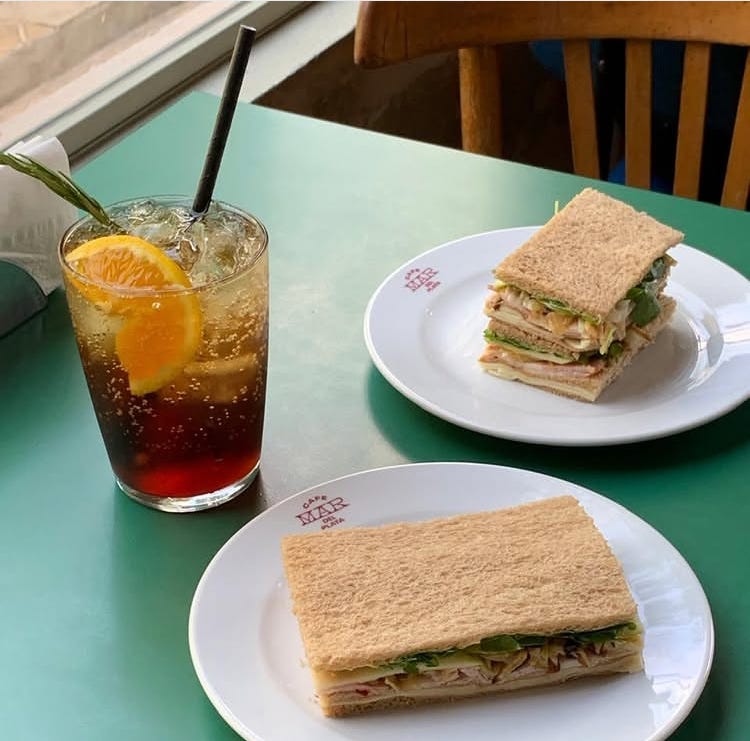
Sandwichería Miriam (Av. José María Moreno 784) is one such place. Its Miganesa comes stuffed with beef milanesa, ham, cheese, tomato and lettuce. Meanwhile, Café Mar del Plata (Añasco 2543) has become more ambitious with its creations. There have been whispers of asparagus, omelette and gribiche sauce; brie, pear and rocket; kimchi and cheese; and smoked trout and cream cheese.
The only thing standing in my way is venturing into the wilds of Caballito and La Paternal to try them.
I love me a good miga. We order them weekly. Great if you are craving something light, cheap, and easy. Argentine fast food. But don't get me wrong, I love me a good panini or sub or foccacia sandwhich as well. I just went to Don Hernacio's this weekend. So Good.