Buenos Aires Travel Guide 2025: Everything First-Time Visitors Need to Know
The complete beginner’s guide to neighborhoods, food, safety, culture, and more.

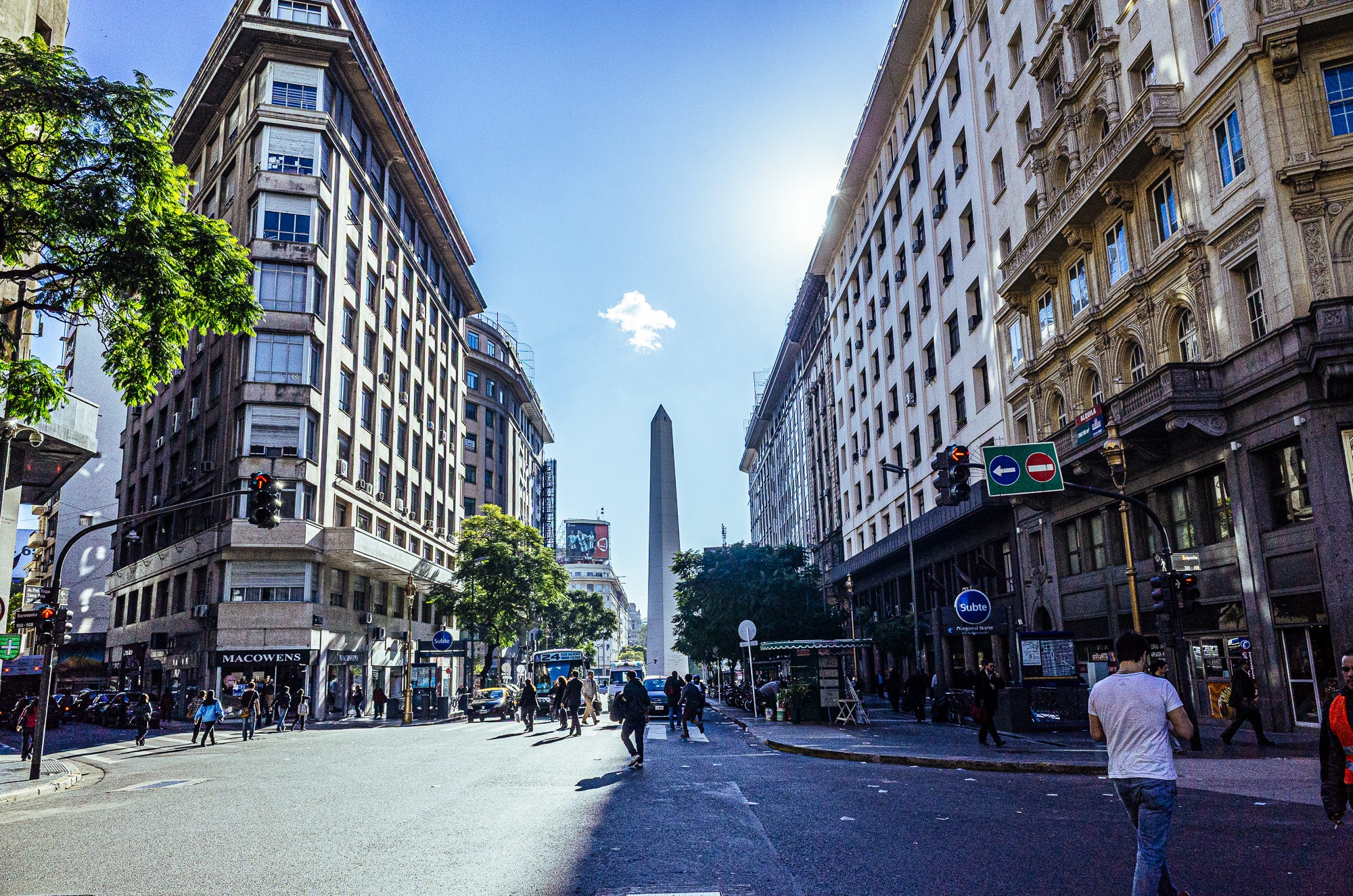
Planning your first trip to Buenos Aires? This guide is designed to help you get your bearings quickly, avoid common rookie mistakes, and experience the city with confidence and curiosity. From navigating its ever-changing barrios (neighborhoods) to knowing when to eat and when not to, you’ll find practical tips that go beyond the basics. You’ll get the kind of advice gained from real experience: how to move around efficiently, which customs are worth knowing, and what’s genuinely worth your time — all aimed at helping you enjoy the city in an authentic and manageable way.
1. The Basics
Argentina’s sprawling capital city blends South American heritage with European flavor. It’s a city with swagger, a city that never sleeps, and constantly captivates. It’s famous for its leafy boulevards and colonial architecture, diverse neighborhoods, unique culture, cafes, meat, soccer, and tango. Buenos Aires is often the first stop on many travelers’ South American adventure. Caught up in the city’s seductiveness, many of them never leave.
Buenos Aires, like the rest of Argentina, is a city built on immigration and is as multicultural a destination as any capital city you'll visit. The most prominent cultures came with Spanish and Italian immigrants, many of whom arrived during a massive wave of immigration between the 1850s and 1950s. This is evident in everything from the city’s cuisine to its penchant for late nights and erratic driving. It’s also home to large communities of South American cultures and a notable population with Arabic, Asian, Armenian, French, German, and Jewish backgrounds.
2. Best Time to Visit Buenos Aires
As a capital city, Buenos Aires has always something going on, making visiting any time of the year a viable option. That said, some seasons are more enjoyable than others.
March to May:
Fall is a sweet spot as the summer heat subsides, but it’s still warm enough to get out and about, especially around the city’s parks and riverfront. Soccer season is still in full swing, and Lollapalooza brings an all-star lineup of international acts.
June to August:
While you’ll need a jacket, winters are nothing compared to much of the northern hemisphere. Locals complain bitterly of morning temperatures of 30ºF to 40ºF (0ºC to 5ºC) – winter afternoons, however, are sunny and frequently hit 60ºF (15ºC) or above. This is the quietest time of the year, but also when hotels are most likely to offer discounts. The Buenos Aires Tango Festival and World Cup takes place in August.
September to November:
Spring is the near-perfect time to visit. With the (not-so) cooler winter temperatures fading away, parklife returns and al-fresco dining becomes more enjoyable. It’s when the city is in full bloom with the violet-hued Jacaranda trees and the roses at El Rosedal. It’s also a good time for festivals like the Buenos Aires International Jazz Festival.
December to February:
Summer in the city is hot, humid, and prone to flash thunderstorms. It might not sound ideal, but with most locals heading to the beaches, reduced traffic means the city isn’t as unbearable as you’d first think. Don’t miss the Argentine Open Polo Championship.
3. Where to Stay
Choosing the right neighborhood can shape your entire experience. The city is vast and diverse, so it's worth choosing somewhere that perfectly matches your travel style.
Palermo is the go-to for most first-timers and hundreds of short and long-term foreign residents. The city’s biggest barrio is leafy, walkable, and well-connected by public transport. Moreover, it’s packed with cafés, bars, restaurants, boutique shops, and hotels. Palermo Soho is trendier, more bohemian, and home to weekly markets, while Palermo Hollywood is a little quieter but still central and has a busy drinking and dining scene. On the east side, the more upmarket Palermo Chico is on the doorstep of the Palermo parks.
Want all the perks of Palermo but also avoid the overdose of tourists and know-it-all expats? Once among the city’s worst-kept secrets, Chacarita and Villa Crespo have booming culinary scenes without the fanfare of their popular neighbor. For a more traditional vibe and slightly slower pace, Recoleta is positioned perfectly between Palermo and downtown. For the most part, residential and safe, you’ll get a glimpse of the elegance and opulence that, toward the end of the 19th century, made Buenos Aires one of the world’s wealthiest cities. Major city attractions like Recoleta Cemetery and the Fine Arts Museum are here.
South of downtown, artsy San Telmo is famous for its art nouveau architecture, antiques markets, bohemian bars, and alluring tango dance halls. Its cobblestone streets and strong sense of history paint an idyllic scene, but it can be quieter and sometimes grittier at night.
4. Top 10 Experiences in Buenos Aires
Plaza de Mayo
A living museum, the city’s main square occupies the spot where the city was founded in 1536. Lined with emblematic landmarks, this is the political and historical center of the city. You can easily while away a morning or afternoon checking out the Casa Rosada presidential office, Cabildo town hall, and Buenos Aires Metropolitan Cathedral.
Teatro Colòn
The city’s flagship opera house, Teatro Colón is recognized as one of the world’s finest concert halls in both opulence and acoustics. This is your ticket to top-tier ballet, classical music, and opera performances. If you’re here out of season, you can get an insight into its history on a guided tour.
Futból
Football, soccer, whatever you call it, there’s no escaping it anywhere in the city. Bars, cafés, taxis, and newspaper stands are often decked out in the colors of their owner’s favorite team. Meet a local, and they’ll usually ask who your team is. If you don’t have one, they’ll be happy to convert you into a hincha (fanatic) of theirs. The biggest clubs are Boca Juniors and River Plate, closely followed by Racing Club, Vélez Sarsfield, San Lorenzo, and Argentinos Juniors. Landing Pad BA is a good option for sourcing matchday tickets.
Tango
Tango is the musical soul of Buenos Aires — intimate, intense, and unmistakably local. Born in the working-class barrios like La Boca, it’s everywhere now, in elegant theatre shows, late-night milongas, and spontaneous street performances. Whether choreographed or improvised, it captures the city’s passion like nothing else. Seeing it live is a must – Plaza Dorrego in San Telmo is a good spot for free street shows.
Caminito - La Boca
One of BA’s most iconic streets, Caminito is where colorful houses, tango dancers, and street art bring the neighborhood’s immigrant roots to life. Once a working-class dockside alley, it’s a lively spot for photos, souvenirs, and watching live tango performances in a famously photogenic setting. Check out the Benito Quinquela Martín Museum, which celebrates the life and works of a neighborhood artist, but avoid the overpriced restaurants.
Recoleta Cemetery
Walking among the dead might not be an immediate idea of fun, but Recoleta Cemetery’s village-like maze of marble mausoleums and ornate statues is unmissable. This is the final resting place of Evita, in addition to former presidents, military leaders, and dignitaries. Make sure to pick up a free map at the entrance. And there are free guided tours (in Spanish) at 11 am and 2 pm from Tuesday to Friday, and at 11 am and 3 pm on weekends and public holidays.
Parklife
There’s no denying that the city is an urban jungle, but it also boasts plenty of green spaces ideal for escaping the bustle of city life and finding refuge from the searing summer heat. The biggest and most popular is Parque Tres de Febrero, featuring a sprawling collection of parks, plazas, decorative gardens, ecological park and planetarium. Other notable spots include Caballito’s Parque Centenario, San Telmo’s Parque Lezama, and Puerto Madero’s wildlife-rich Reserva Ecólogica Costanera Sur. By the riverside, Parque de los Nińos turns into a beach in summer.
Bike Tours
Yes, the horn-happy traffic and breakneck speed bus drivers are intimidating. But believe us when we say that biking is a viable option. There are about 185 miles (300 kilometers) of dedicated bike lanes. If you are cautious of pedaling alone, you can opt for a guided tour with either of BA Bikes and Biking Buenos Aires. Alternatively, make use of the free Ecobici program.
Art Museums
Dotting Buenos Aires’ barrios is a fascinating collection of museums and galleries that showcase the city’s heritage, historical figures, and love of the arts. See modern art at MALBA and national and international works from the 19th century at the National Museum of Fine Arts. The Amalia Lacroze de Fortabat Art Collection showcases global art from the 17th century onwards, while MAMBA features masterpieces like Joan Miró and Pablo Picasso.
Nightlife
No visit to the city is complete until you've experienced the all-night, action-packed nightlife. Get ready to stroll into a pub at 11 p.m., attend a house party at midnight or arrive at a nightclub at 2 a.m. – then stay out dancing until sunrise. Theaters and tango shows, speakeasy bars and cocktail lounges, craft beer pubs, live music venues, and dance clubs – Buenos Aires has it all and truly comes alive after dark.
5. What to Eat and Drink in Buenos Aires
Hands down, the iconic food of Buenos Aires is the beef that comes from expertly reared cows on Argentina’s fertile pampas. It serves to produce the tender steaks that are grilled to perfection at the city’s parrillas (steakhouses), fine-dining restaurants, and food carts. Included in your list of foods to try should be bife de chorizo (sirloin steak), ojo de bife (rib-eye steak), choripán (chorizo sandwich), and morcipán (black pudding sandwich), plus offal such as mollejas (sweetbread) and chinchulín (intestine).
Arm yourself with the correct vocabulary when ordering steak for you and your dining companions: Vuelta y vuelta (blue), bien jugoso (rare), jugoso (medium rare), a punto (medium), cocido (well-done), and bien cocido (charred to a toast).
The city’s cuisine also shows major Italian influences, and porteños have a strong liking for pasta, such as ravioli, cannelloni, pizzas – both old school and international style, calzones, and milanesa (thin-cut steak coated with bread crumbs). Other favorites are empanadas: bite-size pastries stuffed with meat, chicken, ham, and cheese, among other things. After being here a few days, you’ll notice that flour-based foods are extremely popular. Facturas (cakes) and medialunas (croissants) are the go-to breakfast and afternoon tea snack. They come coated in sugar and stuffed with chocolate, dulce de leche (caramelized milk), and membrillo (quince).
Alongside beef, Argentina’s other world-famous product is wine, produced mainly in Mendoza, La Rioja, San Juan, and Salta. There’s no better compliment to a juicy steak than a glass or bottle of Malbec, Merlot, Cabernet Sauvignon, Bonarda, or Tanat. And when you can’t get to Mendoza, you can sip your way through dozens of wine bars.
One of the most perplexing drinks you’ll see is mate, a tea-like drink served in a gourd and consumed via a metal bombilla (straw), which is then passed around to be shared among a group of friends or even strangers. It sounds odd to drink copious amounts of hot liquid on a sweltering day and carry a thermos flask around like a newborn baby. Well, from the outside, it is odd indeed. But there’s a whole culture, ceremony and set of strict rituals associated with this caffeinated concoction.
Another national love affair is the Fernet con cola, a staple of any barbecue, nightclub, wedding, and after party. This bitter and aromatic Italian spirit distilled with various herbs and spices served with coca cola is the spirit-and-mixer you never knew you needed. Rumor has it that university students in Cordoba first drank it in the 1980s after boycotting British whiskies. They even gave it the affectionate name of Fernando.
6. How to Get Around the City
Colectivos (Buses)
Buenos Aires' public bus network is huge – estimates range from 100 to 400 different lines – and covers every corner of the city at all hours of the day. This is the city's lifeline, transporting everyone from commuters and students to pensioners in multitudes. Fares vary according to the distance you need to travel. Google Maps, BA Como Llego, and Moovit are helpful for checking routes and times.
Subte (Metro)
The city’s underground system features six lines spanning around 35 miles (57 kilometers) and connecting 96 stations. Five lines originate in or near downtown, making the entire network easy to navigate. From a tourist perspective, the ‘D’ line will be the one you’ll use most. It runs from Plaza de Mayo through Recoleta and Palermo and onto Belgrano. Services on all lines typically operate from 5 a.m. until 11 p.m., with some recently extending until 2 a.m. Fares vary according to the number of trips made. Use the Emova app to check schedules and line information.
SUBE Card
A SUBE card (Sistema Único de Boleto Electrónico) is a rechargeable smart card used to pay for public transportation in Buenos Aires and many other cities in Argentina. It's essential for getting around efficiently — cash is no longer accepted on buses or the Subte. You can pick one up at most convenience stores and Subte stations. Make sure to register yours in order to get the cheaper fare bracket.
As of late 2024, you can make contactless payments with debit cards, credit cards, and digital wallets like Google Pay, Apple Pay, and MODO. This option is available at all Subte stations and accepts both local and international cards from Visa and MasterCard networks. Some buses have started to incorporate this option, but it’s wise to always have your Sube with you.
Taxi and RideShare
Taxis are still a bargain compared to Europe and North America; day or night, there’s never a shortage. Most still prefer cash – make sure to have small bills to avoid grumpy drivers – but some are slowly warming to electronic payments. It still pays to be confident in knowing where you're going – it’s not uncommon for crafty drivers to drive “the long way” to earn a few extra pesos.
Cabify and Uber are the two most popular rideshare options for cashless payments. They are now the default for trips to and from the city’s airports. Didi is also growing, although the standard of vehicles can be a lot to desire.
7. Typical Tourist Scams and How to Avoid Them
The Bank Note Switcheroo
Typically, it involves an opportunist (corrupt) taxi driver or vendor accepting a large denomination bill as payment. They’ll run it through their fingers before returning it, claiming it’s fake. It’s a sleight of hand trick, with the original and genuine bill being swapped for a fake – you’ll only realize when attempting to use it later.
How to avoid: Familiarize yourself with the difference between genuine and counterfeit notes. Pay with exact change or smaller denominations, and be cautious when making purchases in dim lighting.
Long Route, Broken Meter, and Fixed-Price Taxi Drivers
Let’s make it clear that the vast majority of taxi drivers are genuine and out to make an honest living. Nevertheless, it’s always wise to play it safe. Typical traps include taking longer routes to increase the fare, claiming the meter is broken and pressuring tourists into an elevated, flat fee. Taxis loitering outside the arrivals at Ezeiza International Airport, Retiro bus station, and Buquebus ferry terminal are notorious for inflated prices.
How to avoid: Research fare prices before making long or longish trips, and keep an eye on the meter for abnormal behaviour. Rideshare apps are a convenient safety net, as the fare is explicit from the beginning.
Café/Restaurant Phone Theft
It won't take long to spot the band of street sellers offering things like tissues, socks, and tea towels. They are everywhere, from street corners to the Subte and around restaurants. One trick they use is to look for tables (usually outdoors) with phones resting on them. They’ll then lay their goods on top of the phone, proceed with a sales pitch, lift their goods and the phone together, and calmly walk off if nothing is bought. By the time the victim has noticed, they’ll have disappeared.
How to avoid: Be vigilant by always keeping your possessions at hand or on you. Never leave anything unattended in a bar or café, for example, when going to the bathroom or to order at the counter.
8. Basic Spanish for Survival
Here’s a quick set of basic Spanish, or castellano as they say here, phrases to help you confidently navigate Buenos Aires. Note that locals pronounce “ll” and “y” like an English “sh” or “zh.” So “calle” (street) sounds like “cashe”. The average Argentine is also equipped with a fascinating collection of slang to fill a dictionary 10 times over.
Basic Words and Phrases
Hello / Hi: Hola
Good day or morning: Buenos días or buen día
Good afternoon/evening: Buenas tardes / noches
What's your name?: ¿Cómo te llamás? / ¿Cómo es tu nombre?
My name is: Me llamo / mi nombre es
Nice to meet you: Mucho gusto.
Nice to meet you too: Igualmente.
How are you?: ¿Cómo estás? / ¿Cómo va?
OK thanks: Bien, gracias.
And you?: ¿Y vos?
What’s up?: ¿Qué tal?
It’s all good / everything’s good / All good?: Todo bien.
Thank you: Gracias.
You’re welcome: De nada.
Please: Por favor
Yes / No: Sí / No
Goodbye: Chau
See you later: Hasta luego
Good luck! (Can be used with chau): Suerte
Some Typical Argentine Slang
Che: Hey / you / mate
Boludo: Literal idiot or fool, also used to address a close friend
Che boludo: Hey idiot, used endearingly to a friend
Tal cual: I agree / exactly
Dale: Okay or hurry up
Mira vos: Wow / look at you / go figure
Quilombo: Chaos / mess
Copado: Cool
Posta: For real
Pibe / Piba: Boy / girl
Medio pelo: Disappointing/mediocre
Estar al pedo: To be bored or have nothing to do
Estar en pedo: To be drunk
Mandar fruta: To lie or bullshit
For more help with Argentine Spanish, check out Speak Spanish BA.
9. Local Etiquette, Customs, and Culture
Porteńos can appear arrogant and aggressive from the outside, but they’ll soon tell you this isn’t true. They’d much rather be viewed as confident, passionate, and direct – this will explain the heated conversations on street corners and in bars and cafés. Sarcasm plays a significant role in daily life, with nicknames being as simple yet close-to-the-bone as they come. Expect the thin friend to be called flaco/a (skinny), the chubbier one to be gordo/a (fatty), and so on.
A single cheek kiss is the standard greeting — even between men in casual settings — and eye contact and close physical proximity during conversation are typical. Titles like señor and señora are used respectfully, especially with older people or in formal situations. Social rhythms are later than in many places. Being fashionably late is perfectly acceptable; nobody will expect you to arrive on time for social gatherings.
Crossing the street can be like a real-life game of Frogger here. Local drivers, mainly buses and taxis, consider a traffic light turning yellow to be an encouragement to go faster. Drivers approaching zebra crossings tend to assume their right to priority over pedestrians, and will often give you a half-baked, apologetic wave as they almost run over your feet. Those who let you go first will happily hurry you up with over-the-top hand gestures.
Tipping isn’t obligatory but is always appreciated. In restaurants, the standard is 10%, either in cash or added to the card payment. Anything from 5-10% is reasonable for smaller purchases in bars and cafés.
Finally, should you refer to someone from the USA as an American, you’ll soon be called out with a stern look of ‘how dare you.’ Argentines are taught to consider themselves fully-fledged Americans as much as they are proud to be South Americans.
For some more great info for first timers, check out our Buenos Aires Basics.
Buenos Aire Basics
Buenos Aires – Argentina’s sprawling capital city – blends South American heritage with European flavor. It’s a city with swagger, a city that never sleeps and constantly captivates. It’s famous for leafy boulevards and colonial architecture, diverse neighborhoods and unique culture, cafes and meat, soccer, and tango. Buenos Aires is often the first sto…


